Cute Fish Patterns
As an experienced designer and embroidery product reviewer, I often find myself evaluating new designs with a critical eye—especially when they’re intended for real-world use. Cute Fish Patterns is one such design that promises charm and versatility. But does it deliver in practical applications? Let’s break it down from the perspective of someone who’s seen thousands of embroidery files and knows what works on the shop floor.
First Impressions: A Whimsical Design with Potential
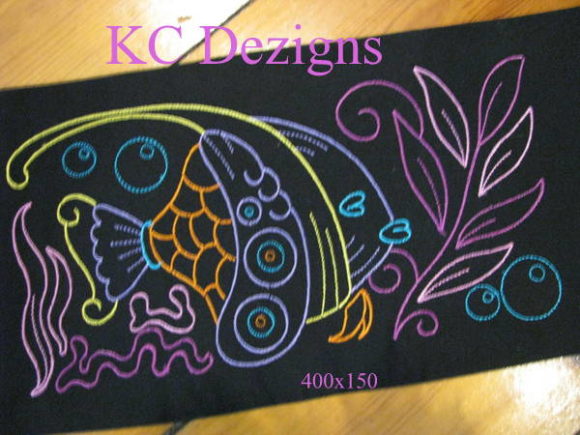
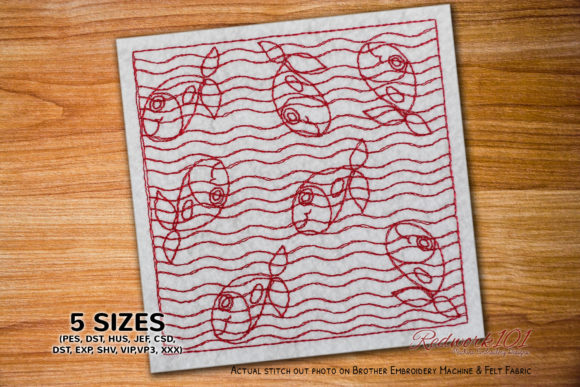
The first thing that stands out about Cute Fish Patterns is its playful, lighthearted vibe. The design features rounded, cartoonish fish shapes that feel approachable and friendly. The layout is clean, with enough space between elements to avoid visual clutter. It’s clear this was designed with children’s items or casual home decor in mind. The theme is simple but effective—perfect for adding a touch of whimsy to any project.
The design’s structure suggests it would work well as an applique design or with satin stitch fills. However, the level of detail is moderate, so it might not be ideal for projects requiring ultra-fine lines or complex textures. Still, for a general-purpose embroidery file, it has a solid foundation.
Real-World Use: Where Does Cute Fish Patterns Shine?
When considering real-life embroidery situations, Cute Fish Patterns fits naturally into several categories. For instance, it could be a great addition to custom apparel like sweatshirts or t-shirts, especially for seasonal or themed collections. It also works well as a tote bag design, where the bold shapes can stand out without overwhelming the fabric.
For baby items, such as onesies or blankets, the soft curves and gentle color palette make it a safe and appealing choice. As an embroidered patch, it could add a fun element to backpacks or jackets. In holiday or gift-related projects, the design offers a cute, recognizable motif that customers would enjoy receiving as a personalized gift.
Small business owners and Etsy sellers will appreciate how Cute Fish Patterns can be used across multiple product types. Whether it’s for a craft fair booth, a boutique brand, or a digital product listing, the design has broad appeal and can be adapted to different styles and themes.
Where to Be Cautious: Limitations and Considerations
While Cute Fish Patterns is versatile, there are some scenarios where it may not perform as well. If you’re working with small hoop sizes, the design might require multiple hooping steps, which can be time-consuming. On textured fabrics or thin materials, the stitch density could cause puckering or distortion if not stabilized properly.
For stretchy or dark fabrics, the thread colors may not show up as clearly. It’s important to test the design on your target fabric before committing to a full project. Additionally, if the design includes tiny lettering or intricate corners, those details might get lost in dense stitch areas or on curved surfaces like caps or hats.
Commercial embroidery projects should also consider licensing and usage rights. While the product description mentions it’s suitable for towels, bath supplies, and children’s clothing, it’s always wise to confirm the terms before selling finished products or digital files.
Impact on Visual Appeal and Customer Perception
Cute Fish Patterns has the potential to enhance the visual appeal of any project it’s applied to. Its simplicity allows it to blend well with other design elements, making it a great choice for layered or mixed-media projects. When stitched correctly, it adds a sense of personality and charm that can elevate a handmade product or commercial item.
From a customer standpoint, the design feels familiar and approachable. It’s the kind of pattern that people might recognize from childhood or nostalgic imagery, which can increase its giftability and emotional value. For small shop products or Etsy listings, this can translate into higher engagement and better sales performance.
However, the success of Cute Fish Patterns ultimately depends on how well it’s executed. Poor stitching, incorrect thread colors, or improper stabilizer use can ruin the effect. As a designer, I always recommend testing the design on scrap fabric first to ensure it meets your standards before moving on to final products.
Practical Designer Notes: What to Check Before Using
Here are a few key considerations for anyone planning to use Cute Fish Patterns in their embroidery projects:
- Test on scrap fabric: Always do a trial run to see how the design looks on your chosen material.
- Check thread color contrast: Ensure the colors complement the fabric and don’t fade or bleed during washing.
- Review stitch density: Adjust the density if needed to prevent puckering or distortion on delicate fabrics.
- Confirm hoop size: Make sure the design fits within your machine’s hoop limitations.
- Inspect small details: Pay attention to corners, edges, and any fine lines that might not stitch cleanly.
- Test in black and white: This helps identify any hidden issues or inconsistencies in the design.
- Compare light and dark backgrounds: Some designs look better on certain fabric colors than others.
- Use proper stabilizer: This is essential for maintaining stitch quality on stretchy or thin materials.
- Verify licensing: Confirm whether the design is suitable for both personal and commercial use.
Final Thoughts: A Useful Addition for Many Projects
Cute Fish Patterns is a design that offers a balance of charm and functionality. It’s not perfect for every situation, but when used appropriately, it can add a unique and appealing element to a wide range of embroidery projects. Whether you're creating custom apparel, personalized gifts, or small shop merchandise, this design has the potential to enhance your offerings.
As with any embroidery file, the key to success lies in understanding its strengths and limitations. By taking the time to test and adapt the design to your specific needs, you can ensure that Cute Fish Patterns becomes a valuable asset in your creative toolkit.