Elf Feet Machine Embroidery Design
As a designer and embroidery product reviewer, I’ve evaluated countless machine embroidery designs. Elf Feet is one that stands out for its holiday charm and versatility. It’s a simple yet effective applique design that brings a whimsical touch to any project. Before diving into real-world use, I wanted to explore how this design performs in different scenarios and what kind of projects it fits best.
The First Impression: Whimsy Meets Simplicity
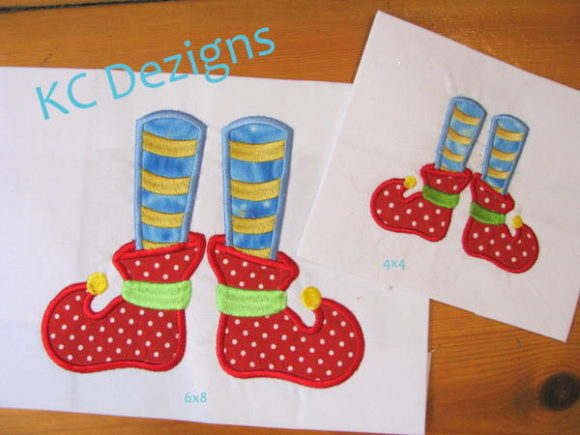
Elf Feet has a clean, stylized look that immediately evokes the spirit of Christmas. The shape is straightforward—two small, rounded feet with a subtle boot or shoe detail. The design isn’t overly complex, which makes it ideal for quick stitching on a variety of items. Its layout is balanced, and the overall visual personality feels friendly and approachable, making it perfect for handmade products aimed at families, children, or holiday enthusiasts.
When viewed on a white background, the design appears crisp and clear. However, its simplicity also means that the success of the final product hinges on the quality of the fabric, thread color contrast, and stabilizer use. This is where the real test begins.
Real-World Embroidery Use Cases
Elf Feet works well on custom apparel like t-shirts, sweatshirts, and tote bags. It’s a great addition to a holiday-themed line, especially for small businesses looking to add a unique touch to their offerings. For example, a boutique shop could use this design on a personalized tote bag, making it a standout item at a craft fair or online store.
It also fits well on baby clothes, such as onesies or sleepers. The design adds a playful element without being too busy, which is important when working with delicate fabrics. On a baby blanket or a holiday-themed onesie, Elf Feet can serve as a memorable, personalized gift.
For embroidery patches, the design translates well. It’s compact enough to fit in a small hoop, but not so tiny that it becomes difficult to stitch. When used as an embroidered patch on a jacket or backpack, it adds a fun, festive detail that appeals to both kids and adults.
Where to Be Cautious
While Elf Feet is generally easy to work with, there are some situations where it may not perform as well. On small hoop sizes, the design might feel cramped, especially if the user is not careful with placement. Textured fabrics, thin materials, or stretchy fabrics can also pose challenges. These types of fabrics may cause the stitches to pucker or the design to lose definition.
On dark fabrics, the design may require a contrasting thread color to stand out. If the thread doesn’t contrast well, the final result could be less impactful. Similarly, on layered garments or curved surfaces like caps, the design may need extra attention to ensure even stitching and proper placement.
Small details, such as the edges of the feet or any decorative elements, should be inspected closely. If the design has tight corners or intricate lines, they may not come out as clearly as expected. It’s always a good idea to test the embroidery file on scrap fabric before committing to a finished product.
Impact on Visual Appeal and Customer Perception
When stitched correctly, Elf Feet enhances the visual appeal of a project. It adds a touch of holiday cheer without overwhelming the design. For small business owners and Etsy sellers, this is a valuable asset. A well-executed embroidery project can increase customer trust and encourage repeat purchases.
Handmade products with clear, professional stitching tend to stand out in a crowded market. Elf Feet, when done right, contributes to that sense of quality. It also plays a role in brand consistency—especially for businesses that focus on seasonal or themed items.
As a personalized gift, the design offers a unique touch that customers will appreciate. Whether it’s a holiday sweater, a custom pillow, or a decorated apron, Elf Feet can make the finished product more memorable and meaningful.
Practical Designer Notes
Before using Elf Feet in a project, I recommend testing it on scrap fabric. This helps identify any potential issues with stitch density, thread color, or stabilizer use. Checking the design on black and white mockups can also help determine how it will look on different fabric backgrounds.
Ensure that the hoop size is appropriate for the design. If the design is too large for the hoop, it may require multiple passes, which can affect the final outcome. Proper stabilizer use is crucial, especially on delicate or stretchy fabrics.
For commercial projects, confirm the licensing terms before selling finished items or digital products. While the design seems suitable for personal and commercial use, it’s always wise to verify the details directly from the seller or manufacturer.
Final Thoughts on Elf Feet
Elf Feet is a versatile machine embroidery design that works well in a variety of applications. Its simplicity makes it accessible to both beginners and experienced embroiderers, while its festive theme gives it a clear purpose in holiday projects. Whether you’re creating a custom tote bag, a baby onesie, or a holiday gift, this design can add a charming, handmade touch.
With proper preparation and attention to detail, Elf Feet can elevate your embroidery projects and help you create unique, high-quality products that resonate with customers. As with any embroidery file, the key to success lies in understanding its strengths and limitations—and using that knowledge to bring the design to life in the best possible way.